
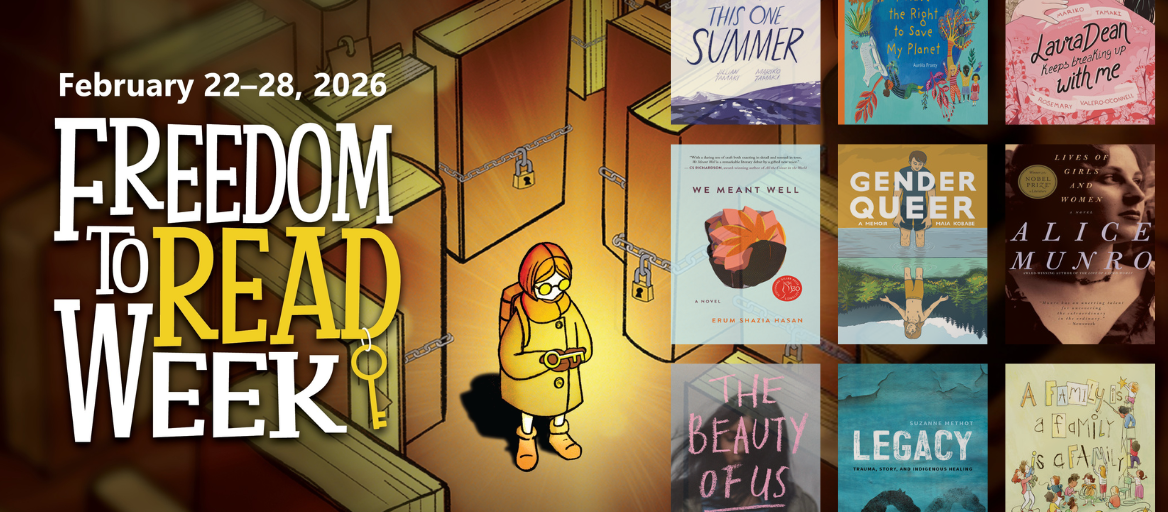
Freedom to Read Week 2026: Author interview & Canada’s most challenged books
Freedom to Read Week (Feb. 22–28, 2026) is an annual event that encourages Canadians to champion intellectual freedom, including the right to read, think, and explore ideas freely. This week shines a light on the importance of protecting access to books, ideas, and voices of all kinds.
To celebrate, Toronto-based author Erum Shazia Hasan kindly answered questions about her debut novel, We Meant Well, which was longlisted for the 2023 Giller Prize.
The novel follows the story of Maya, a married mother of one who receives a call in the middle of the night. Her colleague Marc has been accused of assaulting a local girl in Likanni where they operate a charitable orphanage. Can she get on the next flight?
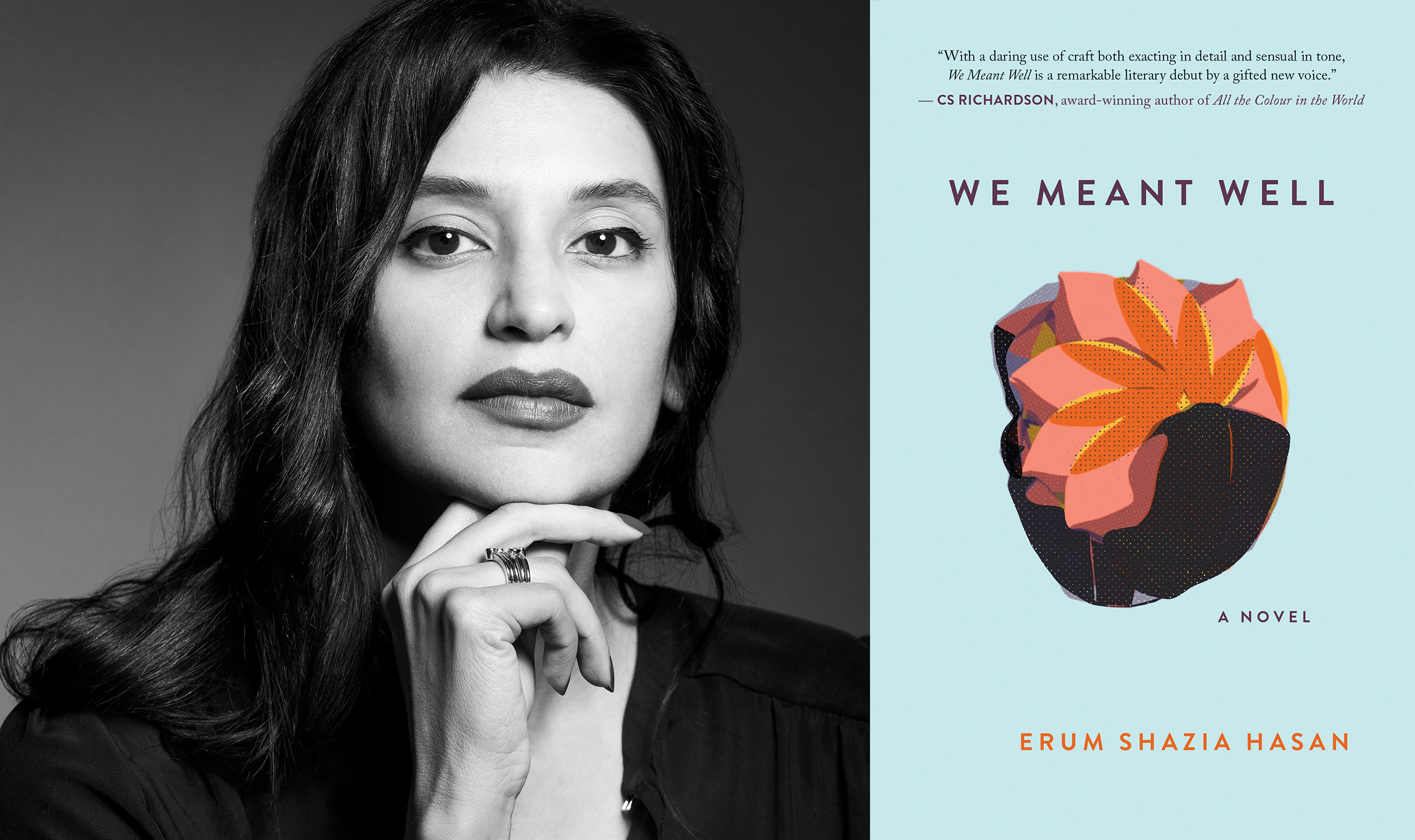
After the interview, keep reading to find a list of some of the most challenged books in Canadian libraries in recent decades.
What compelled you to write Maya’s story?
Erum: I work in international development, so I find I’m often in different countries and surrounded by aid workers who live there. The first kernel of inspiration came to me in Haiti, when I was in a restaurant overlooking a mountain, sitting with various researchers, UN workers, and ambassadorial staff and noticed that the only Haitian people present were the staff at the restaurant. Looking around this table, noticing this stark inequality, I suddenly thought about how my friends back home don’t know about this cohort of people who are travelling to developing countries, working there not as migrants but potentially there to serve, while having immense power and social, economic, and political clout. I wanted to talk about these aid workers that I had not found much of in literature. We talk about immigrants, refugees, and those that move around, but less so about people who work with privilege in places that they’re supposed to enhance and improve.
Likanni is a fictional country, but it feels very real on the page. How did inventing Likanni give you permission to explore what might have felt harder in a real place?
Erum: I feel that when we write about places that are uncommonly represented in English literature, those books become emblematic of a place. I didn't want to trap any country or culture within my own view of it. I wanted more freedom in terms of representation and imagination and did not want to speak on behalf of another community that may be underrepresented in literature. Through my travels, I started seeing commonalities in places that have been colonized and tried to capture those similarities within Likanni. There are nods to the foods or smells or colours from the different places I’ve been to.
We Meant Well asks readers to sit with uncomfortable truths about power, race, and intention versus impact. Why are novels like this important to readers in Canada and across the globe?
Erum: Hopefully the novel highlights the interrelationships that exist among places, and how some choices we make in North America impact people elsewhere, and vice versa. It was important for me to have Maya going between places and living with that tension. I wanted to remind of the ties that bind so many of us—to think of hands that put together the pieces of products we consume, and how our preferences affect decisions elsewhere. I often think of that when having my morning coffee—I think of the farmers that pick those coffee beans that I’m enjoying in the privacy of my own home. There’s an intimate relationship between someone’s labour and someone else’s use, and I wanted to capture those interrelationships and how dependent we all are on them, even if it feels like are removed or far away.
The title suggests a good intention that may have caused harm. What made you feel like this title phrase was the perfect fit for Maya’s story?
Erum: My husband suggested it! I think We Meant Well, for me, is the idea that intentions don’t always match the outcomes. This doesn’t take away from the nobility of intention, but until we truly face the consequences of our deeds, we cannot only rest on good will. There can be a certain level of defensiveness, especially in my line of work, to self-critique, i.e. “Is what I'm setting out to do truly being achieved? And if not, where did I go wrong?” We can’t really improve unless we question both our intention and outcome and truly face our failures—hence, this provocative title.
While you were writing this book, did you ever hesitate on how it might be perceived or misunderstood or even resisted?
Erum: Yes, absolutely. When writing about sensitive subjects, especially sexual violence, I wanted to highlight the violation, while showing how the characters were not taking it seriously. But through the characters’ negligence, I did not want to diminish the actual horror of sexual violence. This is also a tricky thing to do when writing from the first-person perspective—some readers can conflate the main character’s views with that of the author.
For readers discovering We Meant Well during Freedom to Read Week, what do you hope they take away from reading your novel?
Erum: I hope readers feel like they had a new and overwhelming experience, that they breathed new places in, thought about things, and went to sites where their feet have never led them before. Maybe they felt torn, tense, and not sure. Overall, I want people to have a thoughtful and sensorial experience as they are reading this.
Add this book to your TBR and the following challenged titles, voted on by Canadian librarians to spotlight for Freedom to Read Week.
Adult Picks
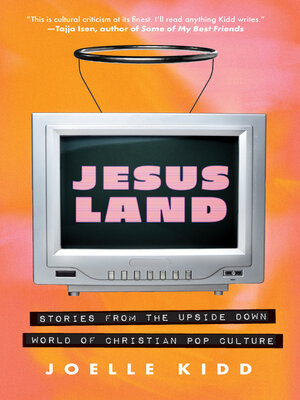
Jesusland
by Joelle Kidd
An empathetic, funny, and sharply critical collection of essays exploring the Christian pop culture of the 2000s and its influence on today’s politically powerful evangelicalism.
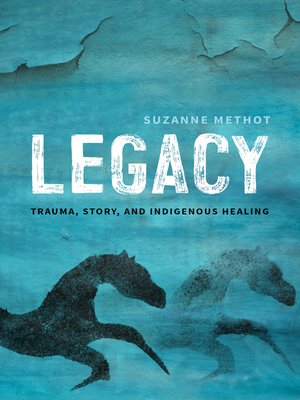
Legacy
by Suzanne Methot
Five hundred years of colonization have taken an incalculable toll on the Indigenous peoples of the Americas: substance use disorders and shockingly high rates of depression, diabetes, and other chronic health conditions brought on by genocide and colonial control.
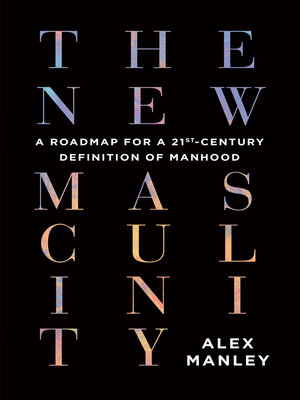
The New Masculinity
by Alex Manley
From AskMen senior editor and non-binary writer Alex Manley comes The New Masculinity: A Roadmap for a 21st-Century Definition of Manhood, a guide for escaping the shackles of toxic masculinity, unlearning what it means to be a man, and pushing back against the various ways masculinity teaches people to hurt rather than help, and to harm rather than heal.
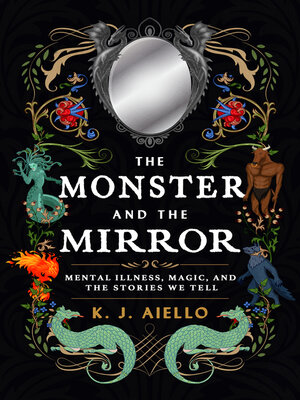
The Monster and the Mirror
by K.J. Aiello
A unique blend of memoir, research, and cultural criticism, this book charts Aiello’s life as they try to understand their own mental illness using The Lord of the Rings, Game of Thrones, and other stories as both guides to heroism and agency and cautionary tales of how mental illness is easily stereotyped as bad and violent.
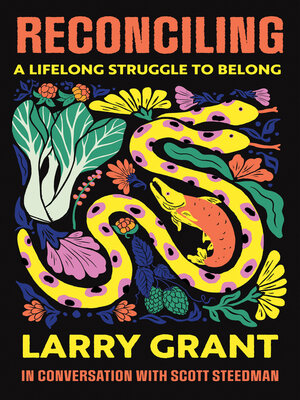
Reconciling
by Larry Grant
A series of conversations between Larry and writer Scott Steedman as they visit pivotal geographical places together, including the Musqueam reserve, Chinatown, the site of the Mission residential school, the Vancouver docks, and the University of British Columbia.
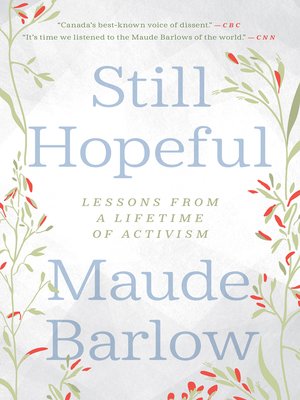
Still Hopeful
by Maude Barlow
Barlow counters the prevailing atmosphere of pessimism that surrounds us and offers lessons of hope that she has learned from a lifetime of activism. She has been a linchpin in three major movements in her life: second-wave feminism, the battle against free trade and globalization, and the global fight for water justice.
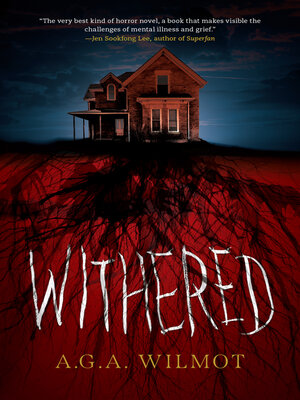
Withered
by A.G.A. Wilmot
A queer psychological horror, a compelling tale of heartache, loss, and revenge that tackles important issues of mental health in the way that only horror can: by delving deep into them, cracking them open, and exposing their gruesome entrails.
Young Adult Picks
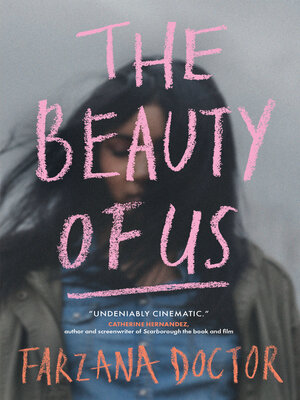
The Beauty of Us
by Farzana Doctor
After 15-year-old Zahabiya’s father remarries, she can’t wait to leave home and convinces him to send her away to boarding school. But will she fit in?
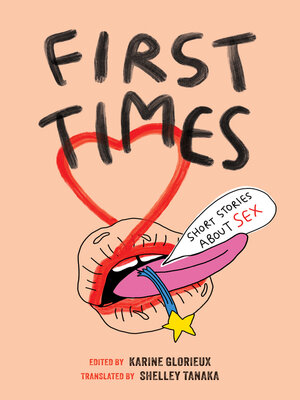
First Times
by Karine Glorieux
A collection of nine stories by nine different authors, writing from a vast range of perspectives, cultural backgrounds, and sexual orientations—revealing how unreasonable it is to define ourselves by a single, overhyped moment. (What a relief!)
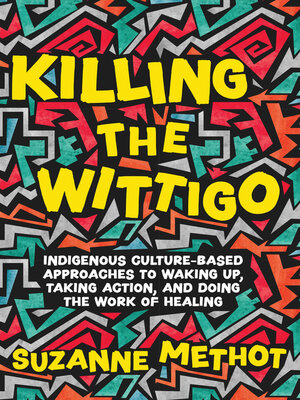
Killing the Wittigo
by Suzanne Methot
Explains the traumatic effects of colonization on Indigenous people and communities and how trauma alters an individual’s brain, body, and behavior.
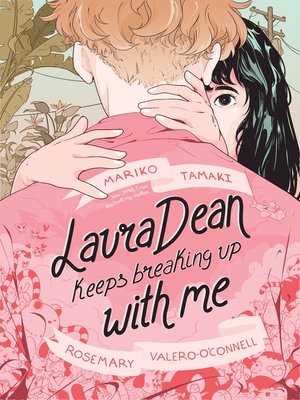
Laura Dean Keeps Breaking Up with Me
by Mariko Tamaki
This sweet and spirited tale of young love is a graphic novel that asks us to consider what happens when we ditch the toxic relationships we crave to embrace the healthy ones we need.
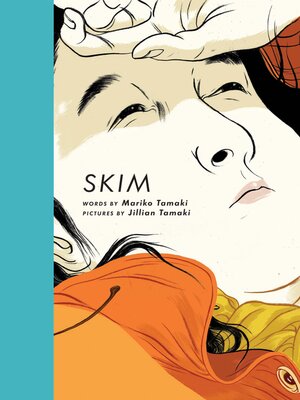
Skim
by Jillian Tamaki
Kimberly Keiko Cameron, a not-slim, would-be Wiccan goth is stuck in a private girls' school in Toronto. When a classmate’s boyfriend kills himself because he was rumoured to be gay, the school goes into mourning overdrive, each clique trying to find something to hold on to and something to believe in.
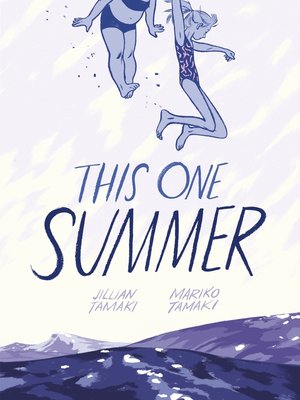
This One Summer
by Jillian Tamaki
Every summer, Rose goes with her mom and dad to a lake house in Awago Beach. It’s their getaway, their refuge. Rosie’s friend, Windy, is always there, too, like the little sister she never had. But this summer is different.
Juvenile Picks
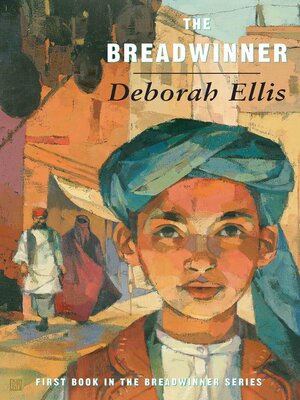
The Breadwinner
by Deborah Ellis
Award-winning novel about loyalty, survival, families, and friendship under extraordinary circumstances during the Taliban’s rule in Afghanistan in the late 1990s.
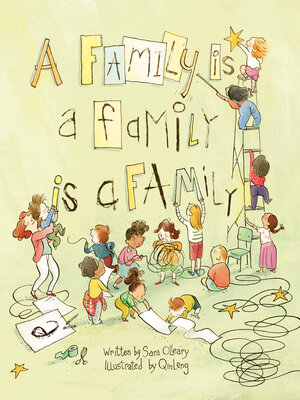
A Family Is a Family Is a Family
by Sara O'Leary
When a teacher asks the children in her class to think about what makes their families special, the answers are all different in many ways—but the same in the one way that matters most of all.
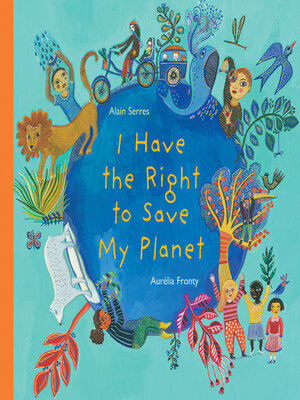
I Have the Right to Save My Planet
by Alain Serres
From the author and illustrator duo who created the award-winning I Have the Right to Be a Child comes this beautifully illustrated picture book about a child’s right to advocate for the environment they live in.
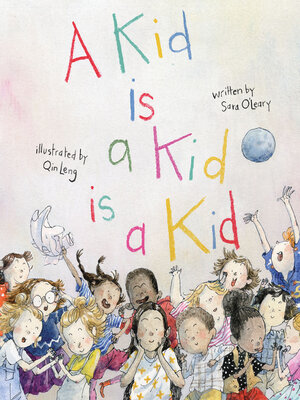
A Kid Is a Kid Is a Kid
by Sara O'Leary
In this companion to the enormously popular A Family Is a Family Is a Family, a group of kids share the silly questions they always hear, as well as the questions they would rather be asked about themselves.
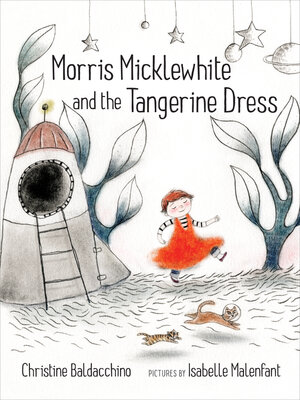
Morris Micklewhite and the Tangerine Dress
by Christine Baldacchino
Morris is a little boy who loves using his imagination. But most of all, Morris loves his classroom’s dress-up center and its tangerine dress.
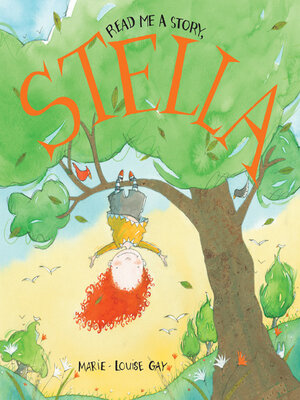
Read Me a Story, Stella
by Marie-Louise Gay
Stella introduces little brother Sam to the pleasures of reading. Sam is as busy and worried as ever, and Stella almost always has her nose in a book, but she finds time to help him out, while sharing her new pastime with contagious enthusiasm.
Browse more challenged books in Canada from recent decades:
A Jest of God by Margaret Laurence
The Apprenticeship of Duddy Kravitz by Mordecai Richler
Betty: The Helen Betty Osborne Story by David A. Robertson & Scott B. Henderson
The Book of Negroes by Lawrence Hill
The Diviners by Margaret Laurence
Gender Queer by Maia Kobabe
Go Ask Alice by Anonymous
The Golden Compass by Philip Pullman
The Handmaid’s Tale by Margaret Atwood
Harry Potter and the Sorcerer's Stone by J. K. Rowling
Hold Fast by Kevin Major
Lives of Girls and Women by Alice Munro
Who’s in Maxine’s Tree? by Diane Carmel Leger & Darlene Gait
My Body is Growing by Dagmar Geisler
Of Mice and Men by John Steinbeck
Pink, Blue, and You! by Elise Gravel, Mykaell Blais
Sex Is a Funny Word by Cory Silverberg & Fiona Smyth
The Young in One Another’s Arms by Jane Rule
*Title availability may vary.
➡️ For more banned books, you can browse this list.
📚 Find more books at your local library through Libby, the library reading app.
Published Feb 23, 2026
Emily Astren
Emily Astren works with public libraries in Canada as an account manager. With a passion for storytelling, pop culture, and connection, she can often be found reading, adventuring through the mountains of British Columbia, or spending time with her two cats.