
Every Neighborhood Needs a Library: Just Ask 'Sesame Street'
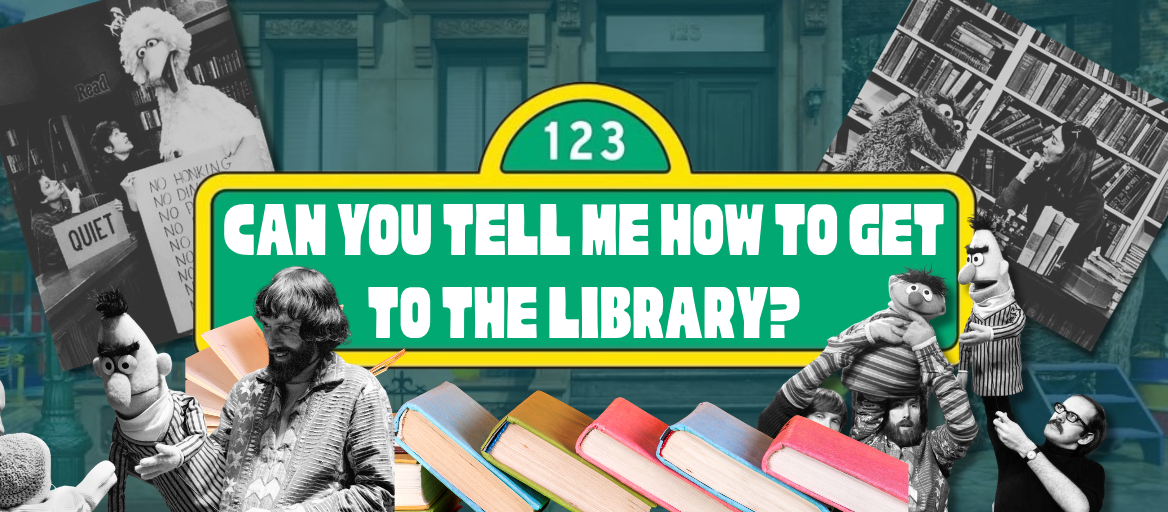
For generations of kids, community has been more than a word. It's a feeling of being welcomed into a neighborhood where everyone has something to teach us. Public libraries have enriched our lives with this sense of community, and so has an iconic show full of warm and fuzzy friends: "Sesame Street."
"Sesame Street" premiered on November 10, 1969, as a new kind of educational television. By the 1960s, television had become a major part of childhood, but educational programming wasn't necessarily reaching the children who needed it most. The creators of "Sesame Street" used research, repetition, music, humor, and storytelling to make foundational learning accessible to millions of children. The program and its cast of characters also introduced children to values like treasuring friendship, celebrating differences, practicing empathy, and prioritizing community. This groundbreaking show helped demonstrate that television could be a tool for education, not just entertainment.
Public libraries and "Sesame Street" share a foundational belief: Access to learning shouldn't depend on where you live, what you have, or what resources your family can afford. Both create opportunities for discovery, both welcome different kinds of learners, and both understand that literacy isn't limited to reading words on a page.
The neighborhood may be fictional, but the memories are real. In honor of "Sesame Street" Day, revisit your neighborhood favorites and explore the stories, creators, and history behind the show that helped raise generations.
The Stories Behind Our Favorite Neighborhood:

Jim Henson
by Brian Jay Jones
Explore how Jim Henson's creative vision helped bring "Sesame Street" characters to life, and how Henson's mission shares something important with public libraries: making knowledge, creativity, and opportunity accessible to everyone.

Street Gang
by Michael Davis
This book is the definitive deep dive into how "Sesame Street" came to be, exploring its creators, cast, Muppets, and widespread cultural impact.

Jim Henson
by Kathleen Krull
"Sesame Street" and "The Muppet Show" introduced Jim Henson's Muppets to the world, making Kermit the Frog, Oscar the Grouch, and Big Bird household names. But even as a child in rural Mississippi, listening to the radio and putting on comedy shows for his family, Henson recognized the power of laughter to bring people together. A visionary, Henson always believed that puppets could reach a wider audience. On "Sesame Street," Henson's Muppets transformed children's television by making learning fun for kids everywhere.

It's Not Easy Being Green
by Jim Henson
This collection of quotes, stories, and insights from Jim Henson, as well as some of his iconic characters and friends, explores themes of self-love, determination, and the importance of being yourself.
"The lyrics say, 'It's not easy being green,' but the song is about knowing who you are. And in it you hear Henson's message most clearly. He believed that people are good and want to do their best and that no matter how or why we might be different from anybody else, we should learn to love who we are and be proud of it." - Ray Charles

Sunny Days
by David Kamp
In 1970, on a soundstage on Manhattan's Upper West Side, a group of men, women, and Muppets of various ages and backgrounds worked doggedly to finish the first season of a children's TV program that was not yet assured a second season: "Sesame Street." They were conducting an experiment to see if television could be used to better prepare under-resourced preschoolers for kindergarten. What they didn't know then was that they were starting a cultural revolution that would benefit kids in communities all across the country.

Dear Mr. Rogers, Does It Ever Rain in Your Neighborhood?
by Fred Rogers
Every question that a child or parent asks is important, and no one understood that better than Fred Rogers, the iconic television neighbor who visited our homes for decades with his show "Mister Rogers' Neighborhood." In this moving collection of letters, he encourages parents and teachers to cherish the questions and comments that come from children through his caring, thoughtful responses to them. With deep sensitivity and sincerity, he addresses real-life issues in chapters arranged by theme: his life, "Mister Rogers’ Neighborhood," feelings and fears, family relationships, and even grief. Drawing on a lifetime of studying and considering healthy child development, this unique gathering of correspondence offers a timeless guide to childhood as well as parenting.
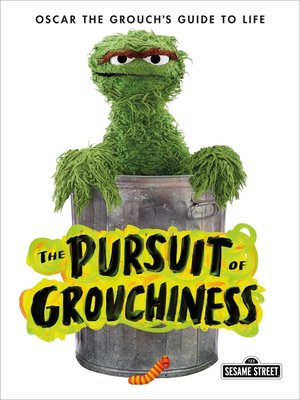
The Pursuit of Grouchiness
by Oscar the Grouch
There's no greater expert on celebrating a crummy day than Oscar the Grouch. After complaining about cheerfulness for decades from his trash can on "Sesame Street," Oscar now shares his secrets for making sure you're as curmudgeonly as possible, all day, every day.

Imagination Illustrated
by Karen Falk
Compiled directly from The Jim Henson Company archives, this book adapts the diary that Henson faithfully kept throughout his career, supplementing it with a trove of little-seen visual material, including rare sketches, personal and production photographs, storyboards, doodles, and much more. Throughout, archivist Karen Falk delves into the behind-the-scenes details of Henson's life and artistic process.
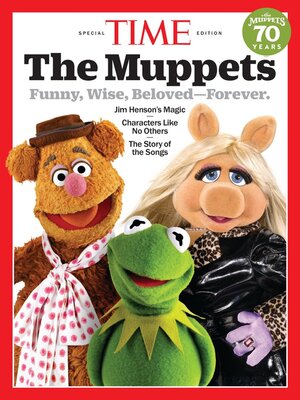
TIME The Muppets
TIME The Muppets
Did you know that Libby has magazines with no waits or holds?
*library participation may vary
Published Nov 10, 2026

Amanda Patton
Amanda is a creative marketing professional with 18 years of experience creating content across social media, print and digital marketing. She aims to create content that brings attention to public libraries and the important work they do through trending topics, nostalgia, humor, and more. Outside of work, you can find her behind her camera, thrifting, playing the piano, or stopping whatever she’s doing to pet a dog.