
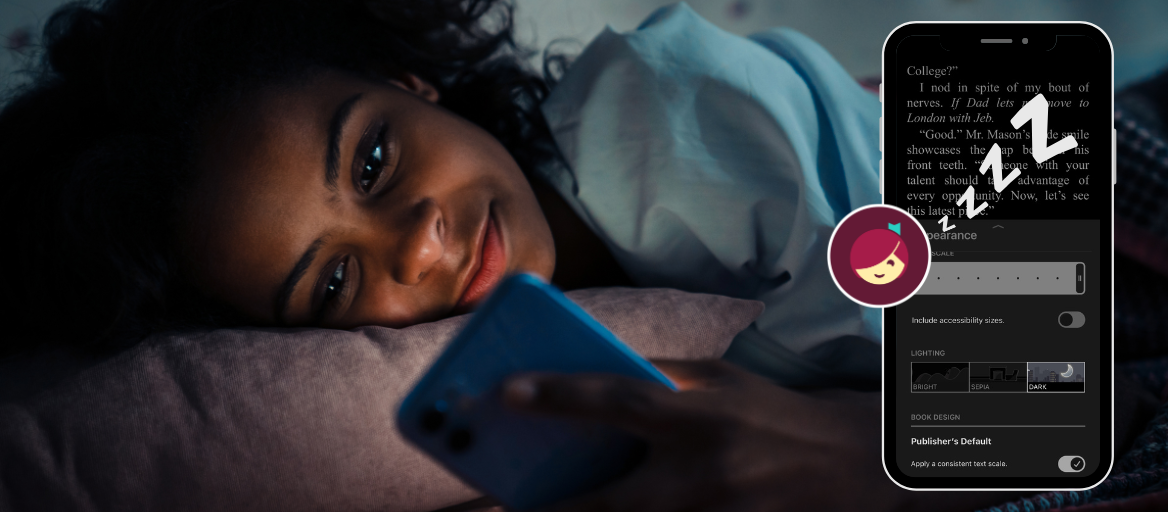
Can’t sleep? Try these 3 Libby tips for a more restful night.
As a world-class insomniac, I am always looking for strategies to improve my sleep hygiene (even though that phrase gives me nightmares, honestly). I have established a calming nighttime routine. I make my bed in the morning so there’s a fresh, inviting space awaiting me at bedtime. I try and stay on the same sleep schedule, even on the weekends and days I don’t need to wake with an alarm.
While these processes have underlined the importance of good sleep, none has had a profound impact on the quality of the sleep itself. And while I could recommend plenty of sleep-adjacent products, from washable silk eye masks to natural supplements to a set of cooling sheets that feel like slippery sorcery, nothing has improved the ease, duration, depth, and health of my sleep like Libby.
Read on for my top three recs for using the Libby app as a (no-cost, non-medicinal!) sleep aid.
1. Replace doomscrolling with reading—for free!
When I was researching ways to improve sleep habits, temporarily blocking social media apps—or removing them altogether—was one of the top recommendations. But even decentering Instagram and TikTok, the apps that were stealing my evening hours and filling my brain with a sense of active helplessness, didn’t keep me off my phone altogether. In a matter of days, I replaced both apps with doomscrolling Substack and global news sites.
The end result? Full-blown anxiety.
It turns out I needed to replace the dopamine hit of social media with something equally entertaining but less all-consuming. I researched meditation and therapy apps like Headspace, Calm, Insight Timer, and Better Sleep, but none of them covered everything I was looking for and all of them came with monthly or yearly subscription fees.
 Enter Libby.
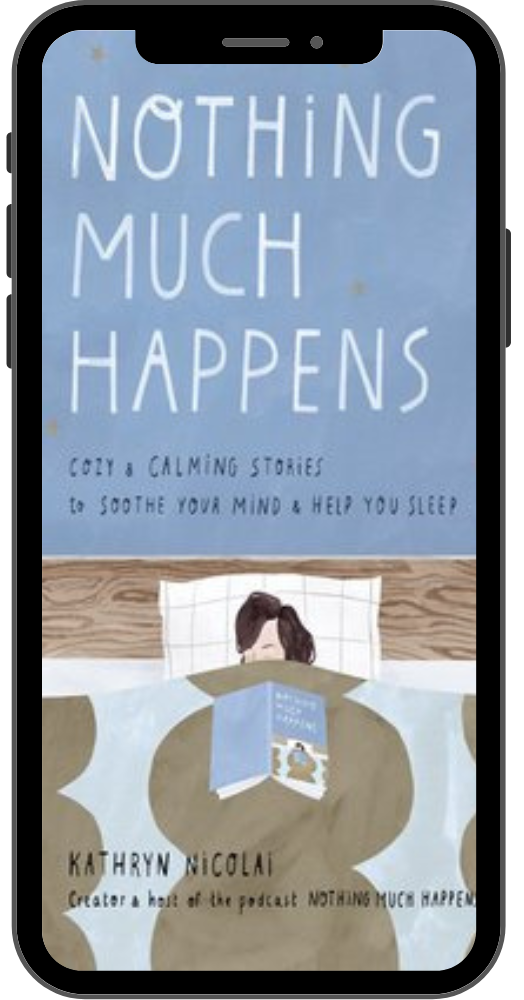
My local library has tons of digital titles to help me wind down before bed. Self-help titles about doing less, embracing rest, and sleeping more soundly. Short, soothing bedtime stories appropriate for kids and adults alike. Meditation titles to help the heaviness melt away.
Treating reading like escape and education was the key to taking my sleep habits seriously and curbing my endless scrolling. Whenever I needed a quick boost or craved connection to the larger world, I reached for Libby and found myself better rested and better informed—with no subscription charges or late fees!
🌙 Pro-tip: See if your local library has a curated collection or subject filter that piques your interest. I was lucky enough to find a collection called “Goodnight Moon” at my library, but a quick scan of the Health & Fitness, Self-Improvement, Art, Religion & Spirituality, and nature categories revealed some equally amazing options!
2. Pre-select titles when you’re awake.
If I’m peering into the sleep abyss, I don’t want anything to yank me back from that edge. Scrolling curated lists from my public library is one of my favorite daytime activities but that kind of active, curious search is a non-starter for nighttime.
My solution? I created a tag called “😴sleep titles,” and when I’m more awake, I tag titles that fall into one of three main categories:
1. Audiobooks with calm or familiar narrators
My faves: Julia Whelan, Rebecca Lowman, January LaVoy
2. Cozy re-reads
I could probably recite Carry On or Legends & Lattes by heart at this point!
3. Topics that I have a passing—but not chokehold—interest in
Enjoyment of Everything is Tuberculosis? 100%
Information retained? < ~12.7%
Having a handful of books at the ready for when I don’t want active searching to keep me awake has been a game changer for a restful pre-sleep experience.
Ask yourself: What are the types of books that wind you down instead of rev you up? Are there familiar titles that you’d like to re-read? Or, if you’re not a re-reader, are there genres, topics, or even book lengths that would lend themselves to a restful experience? Some of you might reach for the gentle hug of a rom com, but others might want to cozy up to a whirlwind thriller. You know yourself best… and Libby doesn’t judge!
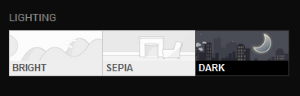
🌙 Pro-tip: Change Libby to night mode to reduce eye strain and blue light exposure for more restful sleep.
3. Leverage audiobook tools for maximum sleep support.
 Audiobooks—full stop—are my number one sleep tip. I don’t have to adjust my screen, flip pages, or fumble for my glasses to be absorbed into the story. I pop in some noise-canceling headphones and drift off to the soothing sounds of my favorite narrators.
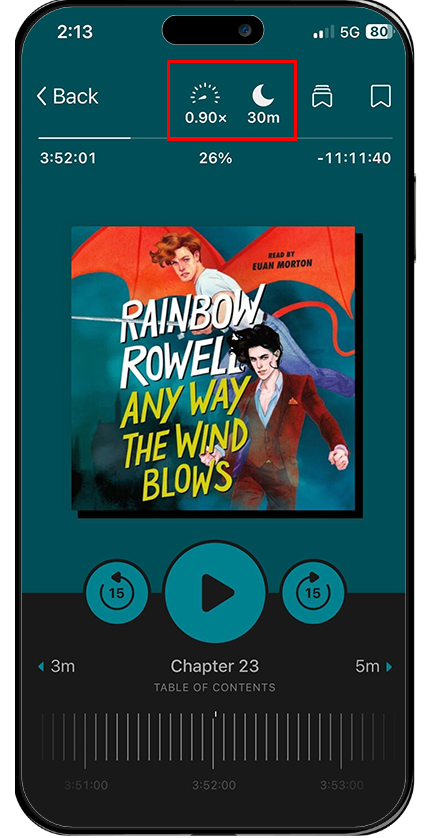
But just because I’m using audiobooks as a sleep aid doesn’t mean I’m not invested in the story. To ensure I don’t miss out on the best parts of a well-crafted plot, I will set a sleep timer for 30 minutes before closing my eyes. That seems to be the sweet spot between being engaged with the story and being deeply invested in it. If I wake up wanting to know what’s next, I only have to rewind a small bit of the book to find where I drifted off. And if I need more time, it’s a single tap of the same crescent moon icon for another 30 minutes.
As I mentioned above, there are many narrators whose voices lull me to sleep in the best way possible. But one of my favorite tricks when there’s a book I want to listen to but the narrator is too exciting—or there’s a wonderful but distracting ensemble cast—is to reduce playback speed to add a soporific effect to the narration. Even reducing playback to 85-90% can slow the action, soften the voices, and turn a Riley Sager thriller into a lullaby.
🌙 Pro-tip: Glance at the chapter title/number, percentage, or progress bar in an audiobook before setting your phone or tablet down for the night. This can reorient you when you want to jump back in where you left off the night before.
Libby, the library dozing app
I wouldn’t wish insomnia on my worst enemy. It’s disorienting and demonstrably bad for your health. Insomnia can also be expensive to treat if you’re stacking your nightstand with supplements and skin treatments or filling your phone with subscription-based health apps. If you want a low-cost, low risk option, try one of these Libby sleep tips and let me know if any of them worked for you.
Sweet dreams, readers!
RELATED READ: Bedtime stories: Audiobooks to help you sleep
Published Aug 12, 2025

Sydney Kalnay
Sydney manages the Libby training team where she uses a spark of magic to transform complex concepts into engaging learning experiences that inspire and empower. After work, Sydney is probably hunkered in a corner writing, hanging out with her cat-familiar, and listening to nothing but Nothing But Thieves.