
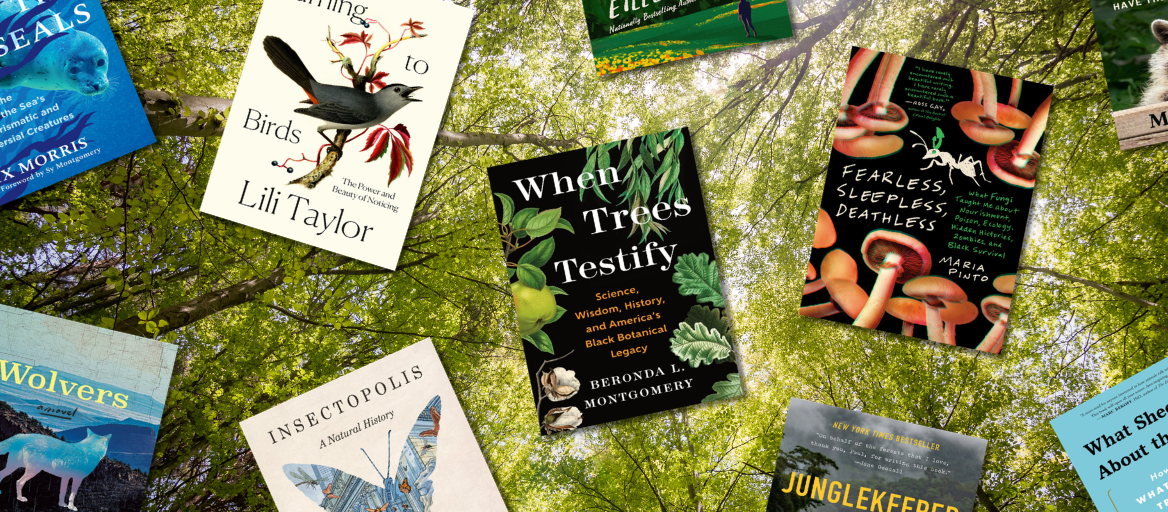
11 nature books that will change how you see the world
If you’ve ever felt refreshed after time in nature, then these books are for you. If not, maybe these books will awaken a new appreciation for the great outdoors. There’s so much life all around us, and finding a deeper connection to nature helps nurture us and helps to drive conservation. Earth Day, every April 22, is a great time to recognize the power nature has to impact our lives, and the impact we have on the natural world we inhabit. From plants and trees to a variety of wildlife, there’s much to explore for Earth Day or any day.
Whether you want to enjoy some reading time outdoors, find ways to connect with nature, or find inspiration to make a difference and protect our environment, dig into these nature reads on the Libby app.
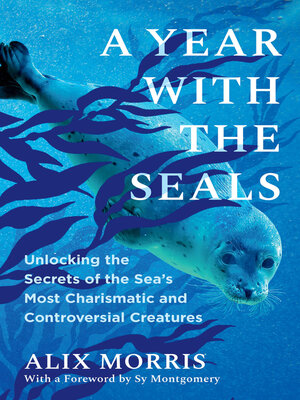
A Year with the Seals
by Alix Morris
Seemingly the puppies of the sea, seals are easy for many people to love. Discover the conservation efforts, research, and anecdotes that Morris weaves together in this book chronicling a year getting to know seals. With views on their rebounding populations that share the joy as well as the challenges to locals, the interesting characters—animal and human—are intriguing. Enjoy the great insights into these animals and the human connections to them, the environment, and conservation efforts. This is an adventure in search of understanding and tugs at your curiosity.
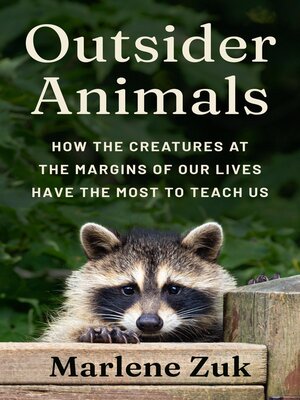
Outsider Animals
by Marlene Zuk
When thinking about which animals provide the most insight into animal behavior and human connections, there are probably a few that come to mind—and they probably aren’t racoons, rats, coyotes, or gulls. But in this book, Zuk looks at these outsider animals to reflect on relationships and share what we can learn from these animals at the margins. Full of humor that highlights the complex connections and interactions between humans, animals, and the natural world, get ready to rethink what you understand about typically “unpopular” animals.
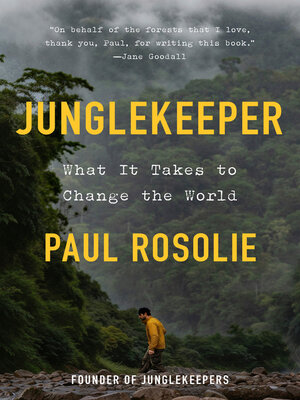
Junglekeeper
by Paul Rosolie
For those looking for some adventure, Junglekeeper is for you. While it can feel like we have explored the earth over, there are still remote, wild places, and Rosolie goes searching for the untouched wilderness and the biodiversity that abounds there. When he visits the jungle of the Amazon rainforest and finds deforestation, he sets out to preserve the invaluable rainforest and raise awareness. Part journey through the Amazon, part call to action to preserve the environment, plus a little wonder of anacondas and a plethora of foliage and wildlife, this account of one man’s work and experience in the Amazon is energizing.
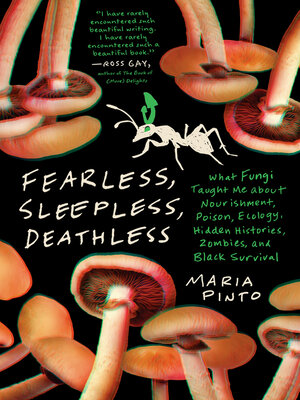
Fearless, Sleepless, Deathless
by Maria Pinto
Mushrooms had their moment, and they never really died down. People still marvel at fungi and want to know more. Pinto explores mushrooms in a number of contexts, combining research with memoir and nature writing for a transportive narrative. With environmental and lived history, the different mushrooms discussed and the ways people have used them throughout time is fascinating. From ecological to communal connections, fungi roots run deep. This book brings mushrooms to light in terms of abundance, possibility, and hope.
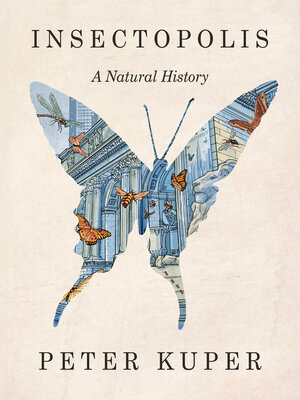
Insectopolis
by Peter Kuper
While insects aren’t always the most popular in the great outdoors, graphic novels are ever-growing in popularity in the great indoors of libraries. Through incredible illustrations in this graphic book, Kuper transports readers through time and the natural world by exploring the history of insects and the entomologists that uncovered their important place in our world. This cultural history of insects features their interactions with humans and representation in our society. This unique read offers insights into insects, brought to life in illustrations that weave the entire story together.
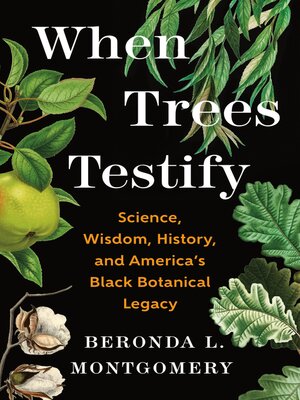
When Trees Testify
by Beronda L. Montgomery
By blending scientific knowledge with memoir and family history, Montgomery explores the connections of trees to the Black American experience. Focusing on seven different tree species—pecan, sycamore, willow, poplar, oak, mulberry, and apple—and their roles and witness to the history of slavery, emancipation, and racism in the U.S., this book offers a natural perspective to Black history. You’ll also find the botanical knowledge that Black Americans used to survive from the land. These trees, that were witness to enslaved Africans and their descendants, tell a natural and cultural history together.
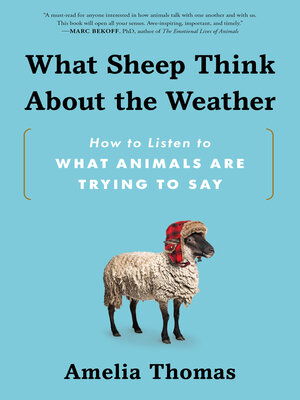
What Sheep Think About the Weather
by Amelia Thomas
“That cloud looks just like me!” is what I imagine sheep think about the weather, but Thomas digs a little deeper. Bringing together research and perspectives from a wide range of experts, he uncovers insights into the ways animals connect with humans. Thomas takes readers on a journey to listen to what animals are communicating, which means paying attention with all of our senses to what the natural world around us is saying. With anecdotes from farm life, these stories broaden understanding of humanity and connection to animals in a way that brings whimsy and empathy.
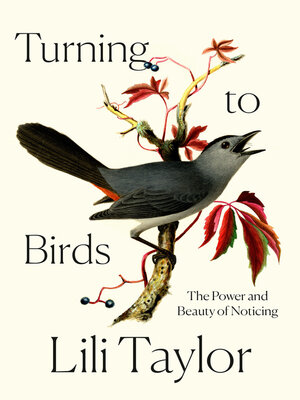
Turning to Birds
by Lili Taylor
From award-winning actress Lili Taylor, Turning to Birds is a collection of essays about discovering more in the natural world by simply paying attention to what is all around us. Sharing experiences of slowing down to be present and witnessing birds where they are, these stories bring to light the wider and deeper world, full of life with the will to survive amidst constant change, if we’re willing to engage. This journey to notice the birds and see the world through a new view is a delightful offering of finding joy, if we pay attention.
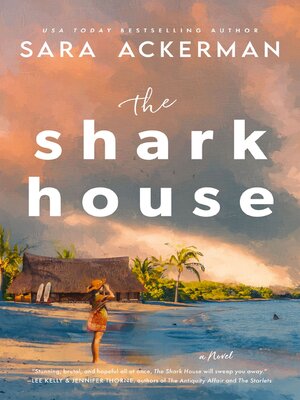
The Shark House
by Sara Ackerman
Turning now to fiction featuring connections to the natural world, The Shark House follows Minnow Gray and her unique connection to sharks. When rare shark attacks upset the Kohala coast in Hawai’i, Minnow is called in to uncover what’s behind these strange attacks. As she dives into the shark mystery, she uncovers more about herself as well. A strong woman in science and often underestimated in her field, she’s not afraid of a challenge. Not shying away from the power of nature, this story about resilience highlights the mysteries and beauty of the deep ocean and connections to land and sea.
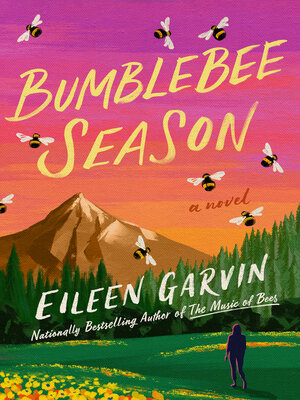
Bumblebee Season
by Eileen Garvin
From the author of The Music of Bees and Crow Talk comes another heartwarming story that brings readers back to the world of beekeeping and to the Mount Hood region of Oregon. Wheelchair-using beekeeper Jake, teen Mexico migrant Flaco, and entomology student Abigail all need to work together when a local threat to the wilderness threatens an important species of bees. Highlighting the complexity of nature and human connection, this novel buzzes with bee facts that make the story even more engaging.
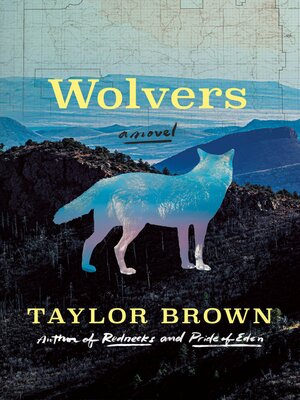
Wolvers
by Taylor Brown
Taking readers on a journey from being at odds with nature to coming to appreciate the natural world, this thrilling novel is a wild ride of survival and redemption. Trace Temple is angry after losing his New Mexico ranch and blames the wolves for this loss. He sets out to take down an infamous wolf, but after a harrowing experience in the desert, he sees things differently. With a new appreciation for nature, wildlife, and this legendary wolf, he now sets out to protect the wolves and the Gila Wilderness from more men that seek to take back the land they think is rightfully theirs.
*Title availability may vary.
Ready to get lost in a great read about the natural world? Check out the Libby app for these nature reads and more!
RELATED READ: Birds, bees & the trees: 10 inspiring nonfiction books for nature lovers
Published Apr 21, 2026
Tori Casper
Tori Casper is a Libby librarian, where she helps public libraries build and highlight their digital collections. Outside of work and reading, she enjoys hiking, gardening, wildlife photography, and planning trips to national parks. Tori is always happy to discuss all the books with strong nature settings.